








In today’s fast‑paced world, Style Trends continually evolve, reflecting cultural shifts, technological influences, and consumer preferences. Staying updated with the latest fashion, lifestyle, and design movements is essential for individuals, brands, and content creators who want to remain relevant. Whether you are refining your wardrobe, revamping your digital presence, or curating visual aesthetics for your audience, understanding the core elements of style trends will empower you to make informed decisions.
The Role of Seasonal Fashion Cycles
One of the most influential aspects of style trends is the seasonal fashion cycle. Designers and brands worldwide introduce new collections that reshape consumer expectations for clothing, accessories, and even beauty products. Major fashion capitals like Paris, Milan, New York City, and London host fashion weeks that set the tone for upcoming trends. For example, Paris Fashion Week often highlights avant‑garde designs and luxury craftsmanship, while New York Fashion Week blends streetwear sensibilities with high fashion.
Seasonal releases also influence how consumers shop and stylize garments. Spring/Summer collections emphasize lightweight fabrics, vibrant hues, and breathable silhouettes, while Autumn/Winter showcases layering, textures, and bold outerwear. These cycles create a predictable yet dynamic rhythm that keeps the fashion industry in constant motion.
Influencer Culture and Digital Platforms
In the digital age, style trends are not dictated by runways alone. Influencer culture heavily impacts how trends spread and gain traction across global audiences. Platforms like Instagram, TikTok, and Pinterest serve as hubs for trend discovery. Fashion influencers, lifestyle bloggers, and digital creators showcase curated looks that inspire millions of followers daily.
For example, short‑form video content on TikTok has accelerated the virality of certain trends like cottagecore, Y2K revival, and minimalistic fashion edits. These platforms empower everyday users to become trendsetters, blurring the traditional boundaries between mainstream fashion houses and grassroots influencers.
Retro Revival: Nostalgia in Contemporary Style
One dominant pattern in recent style trends is the resurgence of retro and nostalgic fashion. Nostalgic aesthetics draw from past decades such as the 1970s, 1980s, 1990s, and early 2000s. Each period brings its distinct signature elements: flared pants and earth tones from the 1970s, bold geometric prints from the 1980s, grunge from the 1990s, and low‑rise jeans from the 2000s.
The Y2K aesthetic — characterized by metallic fabrics, butterfly motifs, and sporty crop tops — has regained mainstream popularity, especially among Gen Z consumers. Retro sneakers, vintage leather jackets, and high‑waisted denim also remain staples in many wardrobes. This trend reflects a cultural desire to reconnect with familiar icons of fashion history while contextualizing them in modern fits and fabrics.
Sustainability and Ethical Fashion
A major transformation in contemporary style trends is the prioritization of sustainable fashion and ethical production practices. Conscious consumers increasingly demand transparency, eco‑friendly materials, and fair labor standards from brands. Sustainable style trends emphasize recycled textiles, biodegradable fabrics, and reduced carbon footprints.
Brands like Patagonia and Stella McCartney have been champions of this movement, advocating for responsible fashion that minimizes environmental harm. Additionally, second‑hand retail, thrift culture, and upcycling have gained momentum as consumers embrace circular fashion principles. These sustainable shifts influence not only clothing design but also beauty products, accessories, and lifestyle choices.
Streetwear and Urban Aesthetics
Another enduring force in style trends is streetwear, a category rooted in urban culture and casual expression. Streetwear blends comfort with attitude, and it often incorporates oversized silhouettes, graphic prints, and technical fabrics. Brands like Supreme, Off‑White, and Nike have played pivotal roles in elevating streetwear from subculture to global influence.
Collaborations between high‑fashion houses and streetwear brands have become commonplace, resulting in hybrid collections that merge luxury with everyday functionality. This trend appeals to a broad demographic, fostering creative reinterpretations of traditional fashion staples.
Color Trends and Palette Forecasting
Color choices significantly define seasonal style trends. Each year, color authorities like Pantone release trend forecasts that influence fashion, interior design, and product development. For example, a Color of the Year announcement often appears across clothing lines, marketing campaigns, and digital design templates.
Current color trends lean toward earthy neutrals, bold primaries, and calming pastels. These palettes mirror broader societal moods — from the desire for grounding and comfort to the embrace of vivid self‑expression. Designers use these forecasts to craft cohesive collections that resonate with consumers emotionally and aesthetically.
Accessories: Statement Pieces and Functional Design
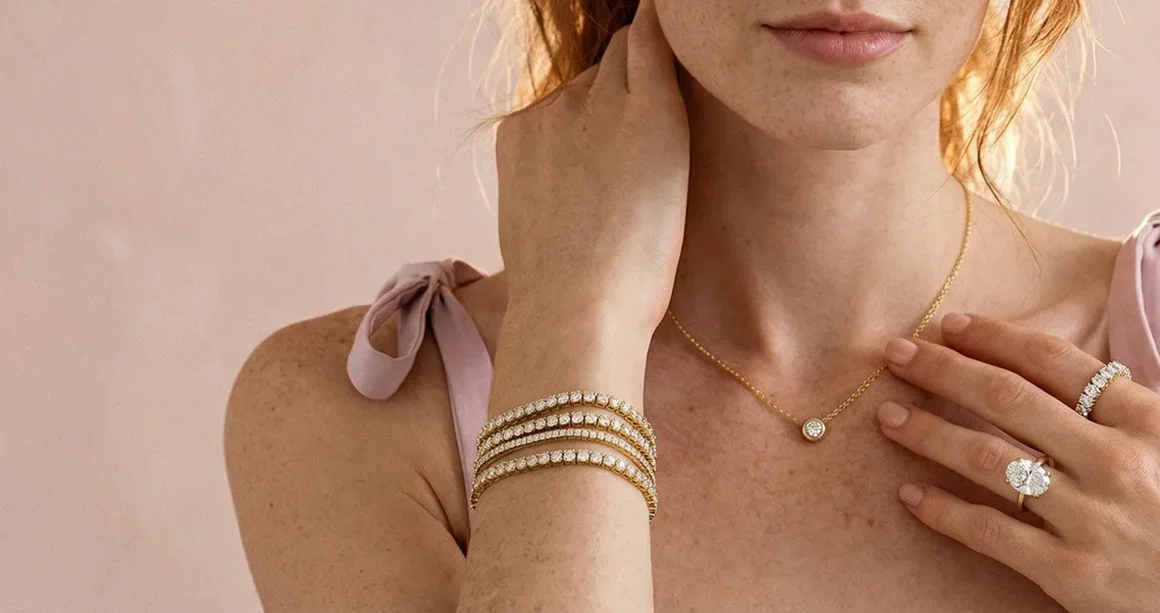
Accessories play a vital role in shaping style trends. Statement bags, bold jewelry, and footwear often become focal points in an outfit. For instance, Chunky sneakers, micro‑bags, and oversized sunglasses have dominated recent trend cycles. These items create visual interest and allow individuals to personalize minimalist or classic outfits with defining accents.
Functional design has also influenced accessory trends. Practicality meets style in items such as crossbody bags, multi‑pocket utility belts, and modular jewelry that can be worn in multiple ways. Accessories are not just ornamental; they reflect lifestyle priorities and adaptability within daily routines.
Beauty and Grooming in Style Trends
Style trends extend beyond clothing into beauty and grooming. Contemporary beauty aesthetics embrace clean beauty, which focuses on non‑toxic ingredients, transparency, and skin‑friendly formulations. Brands like Glossier and The Ordinary have popularized minimalist beauty routines that highlight natural features rather than heavy makeup.
Hair trends also evolve alongside fashion, ranging from sleek, low‑maintenance cuts to bold color experiments. Grooming trends for men continue to expand, incorporating skincare, beard care, and polished personal styling as mainstream habits rather than niche practices.
Technology’s Influence on Style
Technology impacts style trends in surprising ways. Digital fashion shows, virtual fitting rooms, and augmented reality (AR) try‑on tools revolutionize how consumers interact with clothing online. E‑commerce platforms use AI recommendations to tailor suggestions based on individual preferences, browsing history, and trend data.
The rise of digital fashion and NFT wearables has also opened new avenues for expression. Virtual garments designed for avatars or digital identities reflect a future where style transcends physical limitations. As technology and fashion converge, consumers can explore hybrid trends that blend real and digital wardrobes.
How to Incorporate Style Trends Into Everyday Life
Incorporating style trends into daily outfits or content requires balance. Authenticity should come first; trends should complement your personal taste rather than dictate it. Here are practical ways to integrate current style trends:
- Audit Your Wardrobe: Identify pieces you already own that align with trend elements — such as high‑waist jeans, neutral blazers, or classic sneakers.
- Invest in Timeless Basics: Pair trendier items with timeless staples to create versatile combinations.
- Experiment with Accessories: Use accessories to update looks without overhauling your closet.
- Follow Trusted Sources: Keep an eye on trend reports from fashion weeks, influencer lookbooks, and style blogs to stay inspired.
- Build Sustainable Habits: Prioritize quality and longevity over fast fashion; this aligns with both ethical style trends and economic value.
Conclusion: Embracing Style Trends With Purpose
Style trends are more than passing fads. They reflect cultural narratives, technological advancements, and collective values. From sustainable fashion movements and streetwear culture to beauty innovations and digital aesthetics, trends inform how we express identity and navigate social contexts. By staying informed, embracing innovation, and grounding choices in personal expression, anyone can leverage style trends to enhance both their image and confidence. Whether you are a fashion enthusiast, a content creator, or a brand strategist, understanding the layered influences behind style trends will empower you to refine your approach and remain ahead of the curve.