







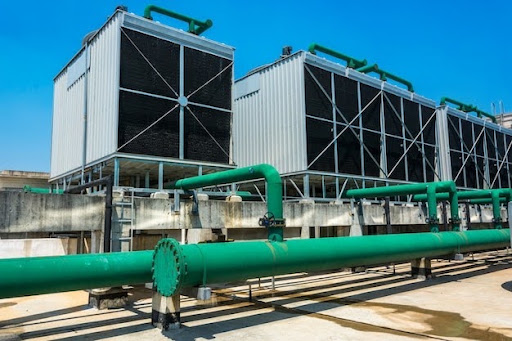
A comfortable building keeps employees productive and customers willing to stay. Behind that comfort is a heating and cooling system that works hard every day and needs regular care to keep going. Commercial hvac maintenance is the routine work that prevents sudden breakdowns, controls energy costs, and extends the life of expensive equipment. Skipping it often leads to emergency repairs at the worst possible time. This guide explains the essential tasks every business should include in its maintenance plan.
1. Replace and Clean Air Filters
Commercial hvac maintenance starts with filters, because they are simple to service and have a big effect on performance. Dirty filters restrict airflow, reduce comfort, and make the system work harder.
Check them monthly and replace or clean them as the manufacturer recommends. Buildings with heavy foot traffic, dust, or nearby construction may need more frequent changes.
2. Inspect and Clean Coils
Evaporator and condenser coils transfer heat, and dirt on them reduces efficiency. Regular commercial hvac maintenance includes cleaning these coils and checking for damage or corrosion.
Clear leaves, debris, and vegetation from around outdoor units so air can move freely. Clean coils help the system cool faster and use less energy.
3. Check Ductwork and Airflow
Leaky or blocked ducts waste conditioned air and create uneven temperatures. Good commercial hvac maintenance includes inspecting ducts, vents, dampers, and registers for leaks, dust buildup, and obstructions.
Make sure furniture and stock do not cover vents. If some rooms are always too hot or cold, ask a technician to test airflow balance.
4. Test Electrical and Mechanical Components
Moving and electrical parts wear out with constant use. Commercial hvac maintenance should cover belts, bearings, fan motors, capacitors, contactors, and wiring connections.
Technicians lubricate moving parts, tighten loose connections, and watch for signs of overheating. Catching a weak part early is far cheaper than replacing a failed compressor or motor.
5. Calibrate Thermostats and Controls
Even a healthy system wastes energy if its controls are wrong. Commercial hvac maintenance includes testing thermostats, sensors, and building automation settings to confirm they read temperatures correctly.
Set schedules to match business hours and adjust them for holidays or seasonal changes. Accurate controls improve comfort and reduce unnecessary running time.
6. Clear Drains and Check Refrigerant
Condensate drains can clog with algae and debris, causing leaks, water damage, and mold. Reliable commercial hvac maintenance includes flushing drain lines and inspecting drip pans.
Technicians should also check refrigerant levels and look for leaks. Refrigerant must only be handled by licensed professionals, since improper handling is unsafe and may break environmental rules.
Final Thoughts
Commercial hvac maintenance is one of the most practical investments a business can make in comfort, efficiency, and reliability. Throughout this guide, we have looked at the essential tasks that keep systems healthy: filter changes, coil cleaning, airflow and duct checks, electrical and mechanical inspections, thermostat calibration, and professional servicing. Each task supports the others, so the strongest results come from a steady, organized program rather than occasional repairs.